

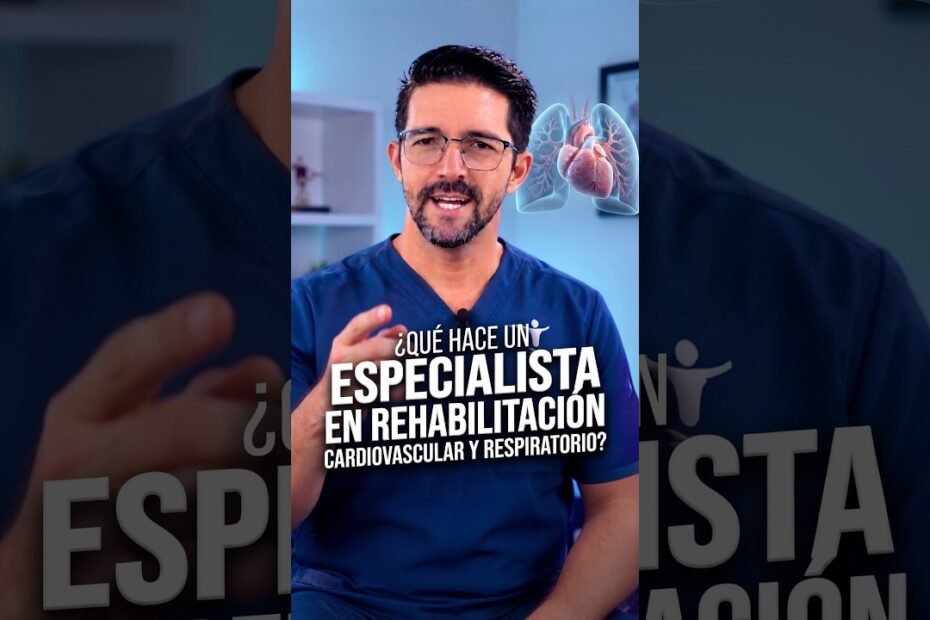
After a heart attack, heart surgery or a diagnosis of heart failure, many people ask themselves the same question: how much exercise can I do without putting myself at risk? There is a specific professional who can answer it safely: the physiotherapist specialising in cardiovascular and respiratory rehabilitation.
A specialist doesn’t guess: they measure
The main difference from conventional training is that nothing here is done by eye. In every session, the physiotherapist collects objective data on how your body responds to effort:
- Pulse oximeter. Monitors your oxygen saturation and heart rate during exercise, and knows how to interpret what those numbers mean.
- Heart rate variability. Gives information on how your body is recovering and helps adjust the intensity each day.
- Training threshold. Calculates the intensity at which exercise stops being therapeutic and becomes excessive for you.
- Individual physical load. Determines the dose of exercise you need according to your condition, your fitness and your progress.
Always hand in hand with your cardiologist
Most important of all: the specialist physiotherapist works from your cardiologist’s report. That report sets out your diagnosis, your treatment and the limits that must be respected. Physiotherapy does not replace medical follow-up; it complements it, turning the doctor’s instructions into a concrete, measurable and progressive exercise plan.
Rehabilitation zone versus danger zone
Thanks to this monitoring, the specialist knows when your heart is working in a rehabilitation zone, where effort produces improvements, and when it is approaching a risk zone. That is the difference between training to recover and training without control, with the possibility of ending up in A&E.
Who can benefit?
Cardiovascular rehabilitation is indicated, always after prior assessment by your doctor, for people who have had a heart attack or angina, heart surgery, or who live with heart failure or other cardiovascular problems and want to regain their physical capacity safely. It is also useful in respiratory conditions that limit exercise tolerance.
In short
A physiotherapist specialising in cardiovascular rehabilitation measures, calculates and adjusts your exercise in every session, following your cardiologist’s instructions. It really is that clear and that simple.
If you want to start your rehabilitation, you can come to the Good Fit gym in La Vall d’Uixó or have your sessions at home in Valencia. Book your appointment here.
The information in this article is for general information purposes and does not replace the individual assessment of a healthcare professional.